
Retail has a habit of blaming traffic. It’s slow. No one’s coming in. We just need more people. It sounds logical, but after years of actually watching customers on the shop floor, the reality is different. Most stores don’t have a traffic problem, they have a conversion problem. People are coming in, they’re looking, they’re picking things up and curious…then they’re leaving. Not because they didn’t want something, but because nothing helped them get there.
That’s where sales come in, but not in the usual way people think. Sales aren’t about lowering prices, they’re about lowering hesitation. They’re there to help someone move from “I don’t know” to “okay, yeah, I’ll take it.” It’s a completely different mindset than just discounting products and hoping for the best.
One of the biggest mistakes retailers make is discounting products that are already selling. A customer walks in asking for a specific product, a brand they trust, or something they already decided on before stepping into the store, and yet they discount it. Why? They were already buying it. You didn’t win that sale with a promotion, you just made less money on it, and worse, you started training that customer that way. To hesitate next time. To think maybe it’ll be on sale if they come back.
That’s how a salesperson quietly chips away at their own margins. High-demand products do not need help, they need to be protected. Your promotions should be working for everything around them: the add-ons, the overlooked products, the items people are curious about but unsure of. That’s where your basket grows and where your margins live.
The in-store reality is that customers aren’t walking in with confidence. They’re curious, sometimes shy, sometimes overwhelmed, and sometimes pretending they know exactly what they’re looking for while quietly hoping someone helps them without making it awkward. If your team isn’t stepping in – guiding, suggesting, reassuring–no promotion in the world is going to fix that. A sign doesn’t build trust, a person does. Promotions don’t work without staff. A “Buy 2 Get 1 Free” tag sitting on a shelf does very little. A staff member saying, “hey, I saw you’re already looking at this, let me show you two more options you might be interested in,” changes everything. It’s not a discount, it’s guidance. That’s when revenue actually increases.
There’s also a pattern where employees who want to improve performance say “we need more sales,” assuming more promotions will fix the issue. Sales can absolutely help, but only when they’re applied with intention. Otherwise, you’re just creating random discounting, inconsistent messaging, and a store without a clear strategy.
If you’re trying to get your employer on board, don’t just ask for more sales, make them say yes with a plan. Show what type of promotion you want to run, what products it applies to, and what behaviour it’s meant to influence. Sales aren’t there to liquidate, they’re there to create discovery, to help someone try something they weren’t planning on, and turn a single-item purchase into a more complete experience.
Another uncomfortable truth is that if customers are coming in and not buying, it’s not always a marketing issue. Look at your floor. Does any staff talk to them? Did the customer feel comfortable asking questions? Did your team guide them or just let them wander?
Most customers aren’t walking in thinking they’re going to spend $150. They’re thinking they’ll just take a look. Everything after that is shaped by the experience. This is where the right promotion, used at the right time, makes a difference. Not constant discounts, not random markdowns but structured, intentional offers that align with how people actually shop. Here are three promotions that consistently drive revenue:
BUY 2, GET 1 FREE is your volume driver and your “just try it” moment. This works best on small, high-margin items that customers hesitate on individually but are open to trying in multiples. Think condoms, lubricants, bullet vibes, cock rings, toy cleaners and small novelty items. These are products people pick up, consider, and put back because they’re unsure. This promotion removes that hesitation. Instead of asking themselves if they need it, they shift into trying mode. “I might as well grab a couple more.” You’re not just increasing units per transaction, you’re encouraging experimentation, which is one of the most valuable things you can do in retail. Once customers find something they like, they come back for it at full price. That is the long-term win. The key here is margin. This only works when applied to low-cost, high-margin items, not your hero products.
BUY 1, GET 1 50% OFF is your basket builder and comparison closer. This is ideal for mid-to-higher-ticket items where customers are already deciding between options. Think two vibrators, a toy plus a second option they’re unsure about, or even two types of lubricant like water-based versus hybrid. This is where your staff plays a major role. Customers come in planning to buy one item, and your team introduces a second option in a way that feels helpful, not pushy. “While you’re here, let me show you another one people compare this to, and the second one is half off.” Now customers aren’t just spending more, they’re making a more informed decision. They feel smarter about the purchase, more confident, and more satisfied. This promotion keeps perceived value high while still increasing the total transaction.
SPEND $X, GET $X is your upsell engine and return trigger. This is where you build both your current sale and future sale at the same time. Spend $100, get $25. Spend $150, get $50. This promotion encourages customers to reach a threshold and gives them a reason to come back. This is where you should start looking at sales per employee, not just per customer because this promotion depends heavily on staff engagement. “You’re at $85, you’re really close to getting $20 back, let me show you something small people usually add here.” That isn’t pushy, that is helpful. The biggest benefit here is retention. You aren’t just making a sale, you’re creating a second visit automatically.
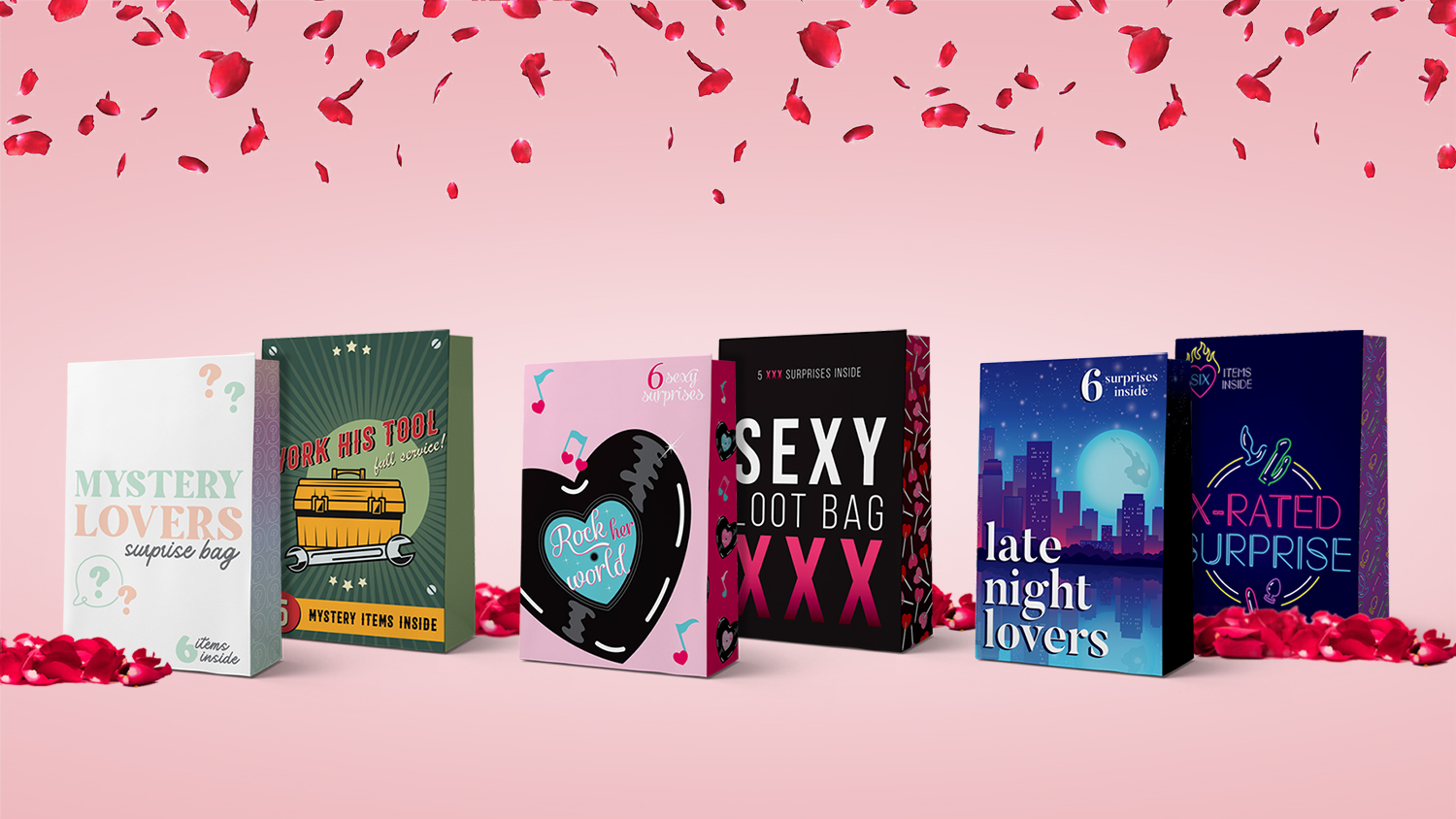
If you’re looking to clear out product, that’s where I personally lean into surprise bags. Instead of marking things down and drawing attention to what isn’t selling, you reposition it. Mix slower-moving items in with a few stronger ones and let the value do the talking. Use cute totes, cheeky gift bags, whatever fits your store vibe. There’s no strict pricing, so you control the margin, and the customer gets something that feels fun instead of discounted.
Brands like Nobü offer surprise bags that can be purchased pre-filled or empty, giving you flexibility depending on how hands-on you want to be. The pre-filled options are really well put together, featuring strong introductory-level products across different styles and often curated around fun themes, making them an easy entry point for customers who want to explore without overthinking it. Just swap out what you want to get rid of and voilà.
Sales aren’t the problem, random sales are. When you apply the right promotion to the right product, supported by the right conversation, you increase revenue without sacrificing value. You improve the customer experience instead of cheapening it, and you give your team a structure they can actually use.
Alexandra Bouchard is a Sales Representative for BodiSpaB2B.