


For nearly two decades, Je Joue has operated at the intersection of design, innovation and evolving consumer expectations. What began as a premium, design-led entrant into the pleasure category has grown into a globally recognized brand navigating one of the most dynamic and fragmented markets in modern retail.
Today, the category looks fundamentally different. Sexual wellness has moved decisively into broader health, beauty and self-care conversation. Consumers are more informed, more curious, and more diverse in how they approach intimacy. At the same time, distribution has expanded across specialty retail, mainstream channels and e-commerce, each with its own expectations, pace and pressure points.
For legacy brands, the challenge is no longer growth alone. It is maintaining clarity of identity across markets while adapting to local realities without dilution. That balance—between global consistency and regional nuances where brands either strengthen their position or quietly fragment.
CLARITY FIRST: BUILDING A GLOBAL IDENTITY THAT TRAVELS
Consistence does not happen by accident. It is built through deliberate choices that can travel across markets without losing meaning.
At Je Joue, this begins with a defined design language. Materials, finishes and form are not simply aesthetic, they communicate quality, intention and trust. When executed correctly, this creates a visual and tactile identity that remains recognizable whether encountered in London, New York or a developing retail market entering the category for the first time.
Messaging follows a similar discipline. The brand sits within a premium space, but it must remain accessible in tone—never clinical, never exclusionary. That balance allows for flexibility. In some markets, design and luxury lead the conversation. In others, education and wellness take priority. The emphasis may shift, but the voice does not.
Where many brands encounter friction is in execution. As distribution expands, so does the number of touch-point distributors, retailers, and regional marketing teams. Without clear guardrails, even strong brands can drift into inconsistency. Product stories change, positioning softens, and the consumer experience becomes uneven.
Maintaining consistency, therefore, is not static. It requires active alignment, continuous communication, and a willingness to refine without over-correcting.
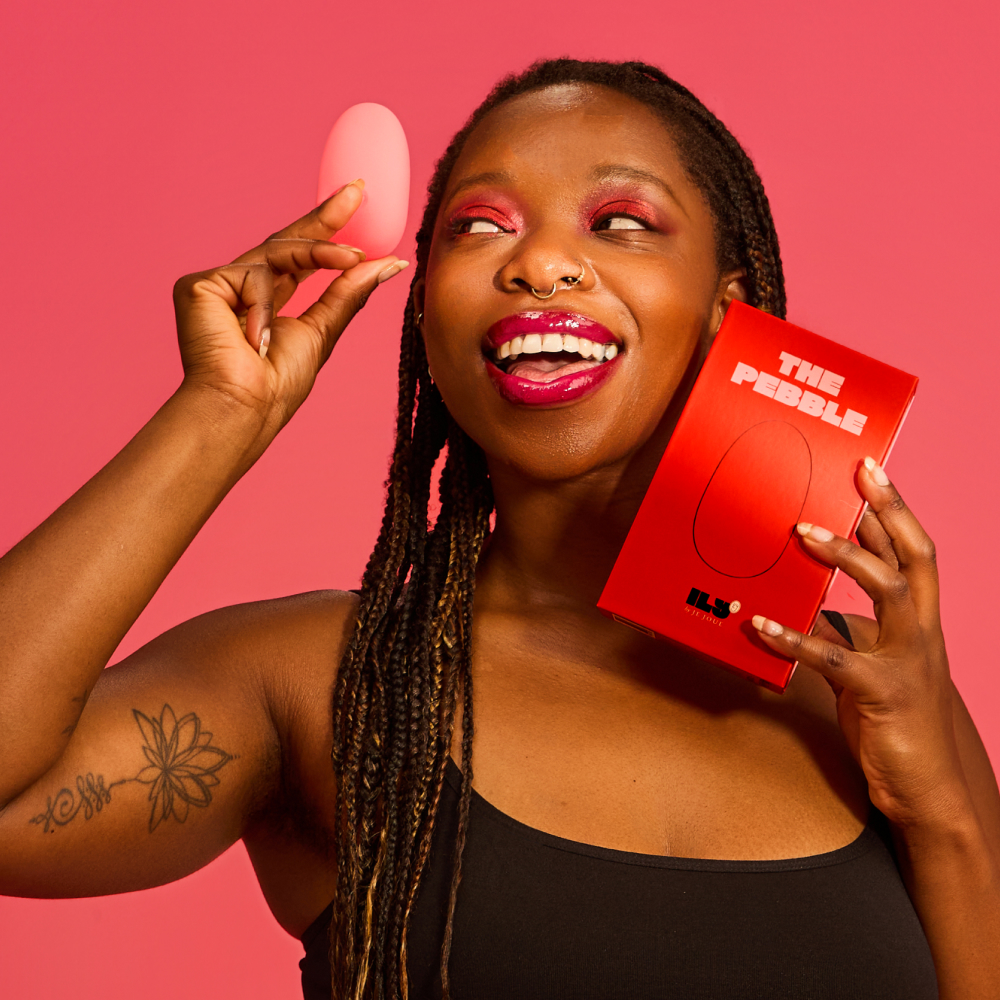
WHOLESALE REALITY: ONE STRATEGY, MULTIPLE MARKETS
Global wholesale is not a single strategy—it is a framework that must adapt without breaking. In the U.S., success is often defined by scale and speed. Retailers range from highly-specialized boutiques to large national chains, each requiring different levels of support. Product education becomes essential, particularly as the category continues to enter more mainstream environments. At the same time, pricing strategies must account for macroeconomic pressures, including tariffs and shifting cost structures that directly impact margins.
In the United Kingdom, where the brand was founded, there is typically a higher baseline familiarity with both the category and the brand itself. Retail spaces may be more curated, with a stronger emphasis on storytelling and design. Here, the opportunity lies in reinforcing heritage while continuing to evolve with modern consumer expectations.
Across the rest of the world, complexity increases. Regulatory environments, cultural perspectives and retail infrastructure vary widely. In some regions, discretion and education are critical to entry. In others, innovation and differentiation drive demand.
In this environment, partner selection becomes one of the most important decisions a brand can make. The strongest wholesale relationships are not transactional; they are collaborative. Retailers and distributors who invest in education, understand the brand, and align on long-term goals consistently outperform those focused on short-term volume.
Equally important is operational readiness. Growth without the infrastructure to support inventory planning, logistics, and consistent supply can quickly undermine demand. Retailers may never see those internal layers, but they feel the impact immediately when they are not in place.
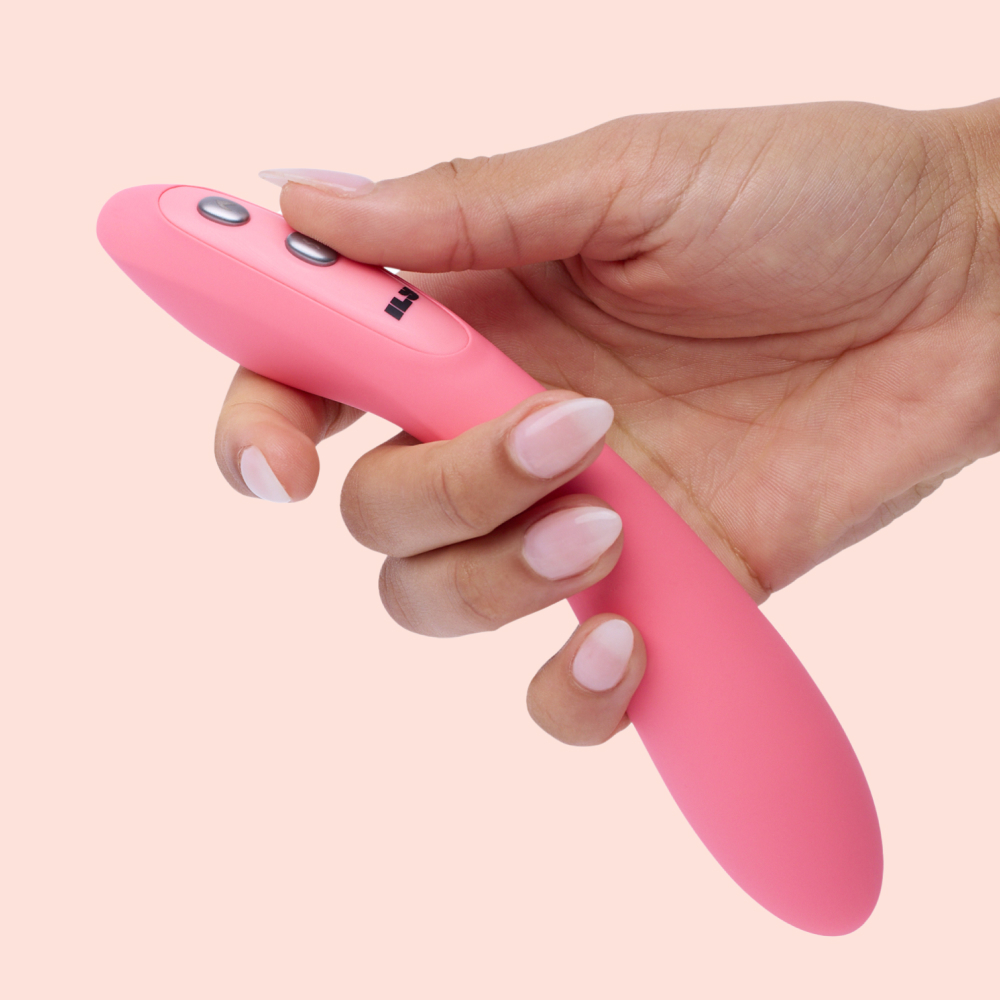
THE MODERN CONSUMER SHIFT: WELLNESS, INCLUSIVITY AND ACCESS
Consumer expectations have reshaped the category at every level. Wellness is no longer a positioning—it is a baseline. Products are evaluated not only on performance, but on how they integrate into broader routines of self-care and well-being.
This shift requires a more considered approach to design, packaging, and communication. Products must feel intuitive and approachable. Packaging must balance shelf presence with discretion. Messaging must resonate across a broader, more diverse audience without losing clarity.
Gender inclusivity is central to this evolution. The category has moved beyond binary definitions, and brands must reflect that reality through both language and product development. This is not a surface-level adjustment, it is a structural shift in how products are conceived, positioned and brought to market.
At the same time, the relationship between direct-to-consumer and wholesale channels continues to evolve. DTC offers immediacy, control and direct insight into consumer behavior. Wholesale delivers scale, visibility and trust through established retail environments. The most effective strategies recognize that these channels are not in opposition. They inform and strengthen one another. Consumer insight gathered through DTC can refine wholesale positioning, while retail presence reinforces credibility and reach.
LOOKING FORWARD: GROWTH WITH INTENTION
As the category continues to expand, the pressure to innovate and scale will only increase. The opportunity, however, is not in pursuing growth at any cost. It is growing with intention.
That includes developing product lines that broaden accessibility while maintaining quality and design integrity. It means equipping retail partners with stronger tools—from education to merchandising—to ensure consistent brand representation. And it requires a continued commitment to evolving alongside consumers without losing the foundation that built the brand.
Global success today is not defined by presence alone. It is defined by consistency, clarity and the ability to adapt without compromise. For Je Joue, the path forward is not about becoming something new. It is about continuing to refine what has always set it apart—while meeting a market that is more open, complex, and demanding than ever before.
Ian Kulp is the Head of Commercial and Brand for Je Joue.