

We have artificial intelligence writing our emails, cameras sending notifications to our phones and security systems watching our businesses around the clock. Yet some of the simplest security practices are still overlooked. Not because they’re expensive or complicated, but because we’ve forgotten how much common sense can accomplish.
Security isn’t just about cameras and alarms. It’s about habits that prevent problems. Are employees paying attention? Do they recognize suspicious transactions? Would they give out a coworker’s schedule to a stranger? When something happens at your store, would you warn the retailer down the street?
With rising costs and shrinking margins, not everyone can invest thousands in security equipment. Protecting your business doesn’t always require another gadget. Sometimes it starts with awareness, communication and habits that cost nothing.
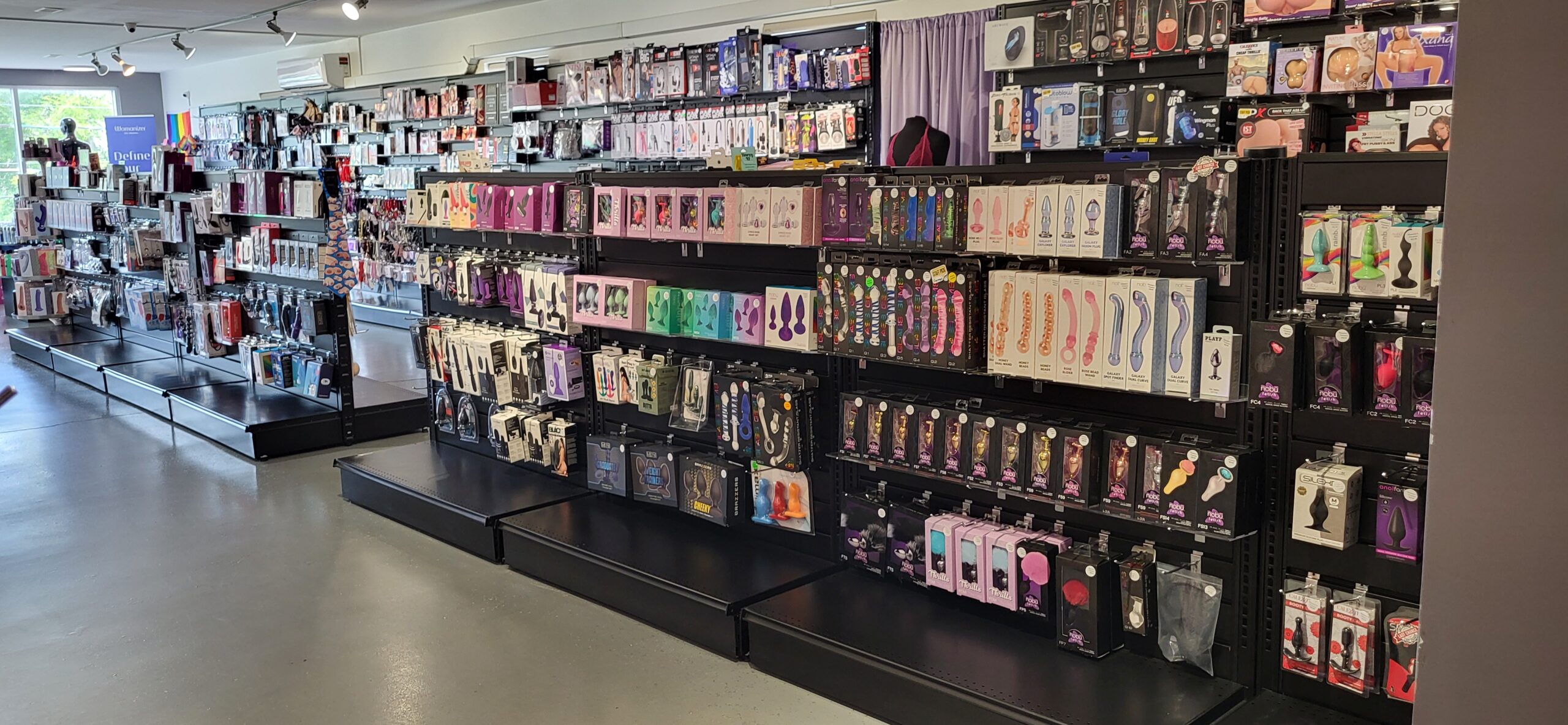
SOMETIMES THE SIMPLEST SOLUTIONS WORK BEST
Good customer service is one of the easiest forms of loss prevention. Greeting customers, offering assistance and walking the sales floor can discourage theft. One tactic to watch for is a large group entering together, then splitting up to distract staff while someone targets merchandise. It doesn’t mean every group is suspicious, but employees should stay aware of the entire floor without making customers feel followed.
My go-to habit at the beginning of every shift was to grab four or five products from different sections of the sales floor to keep at the counter and present to customers. It introduced products, encouraged sales and started conversations. The bonus? Returning them gave me a reason to walk through different areas, stay aware and keep an eye on things without making anyone feel watched. A printed inventory sheet works too. Count a few products throughout the store, and you’ve got another reason to be on the floor. Proof that good sales habits can double as loss prevention.
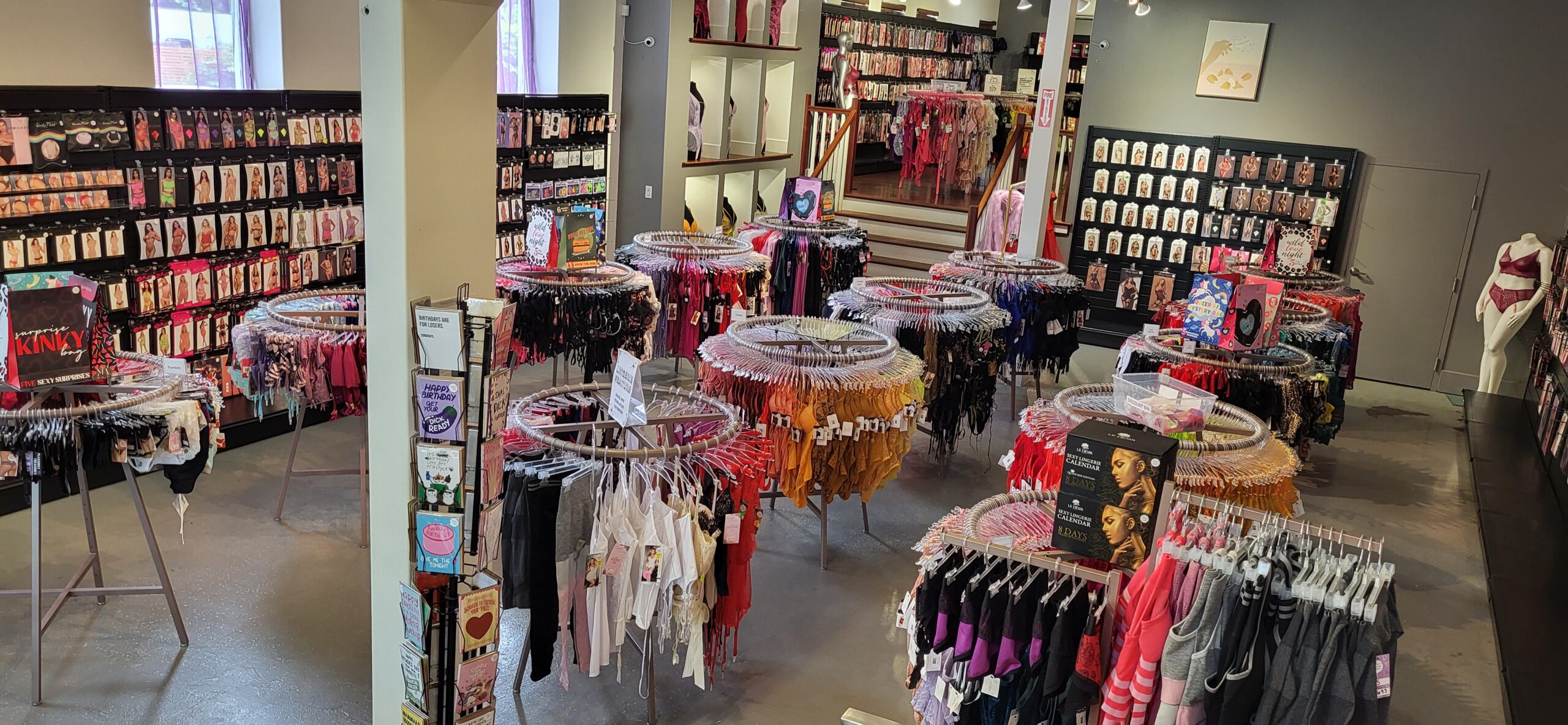
Some of my other favourite security measures barely cost anything. Mini zip ties securing lingerie to hangers, fitting room item limits and keeping accessories out of change rooms are simple precautions. Large bags? Backpacks? Ask customers to leave them behind the cash, in a designated secure area. If that’s your store policy, it applies to everyone. No exceptions based on appearances, and no taking it personally. Never leave empty hooks on the sales floor either. Restock or remove them. An unexpected empty hook should signal something may be missing, not blend into empty displays.
Store layout matters too. Blind spots and inadequate lighting create opportunities. I understand wanting atmosphere. We’re selling pleasure products, after all. But there’s a difference between setting a mood and giving shoplifters mood lighting.
Let’s not forget the money coming in. Repeated declines, unusual tap attempts or someone splitting purchases across multiple cards can warrant a closer look. They don’t automatically mean fraud, but staff should follow payment procedures. An approved transaction can still result in a chargeback. Accepting large bills? A counterfeit detector and basic currency training are inexpensive investments. Otherwise, you’ve lost the merchandise and the money you thought you made selling it. Congratulations, you’ve been robbed twice.
SECURITY IS EVERYONE’S RESPONSIBILITY
I’ve spent years training employees, and security procedures mean nothing if people aren’t paying attention. Owners must train their teams. Employees must use that training. It’s a two-way street.
That includes cell phones. Unless yours is being used for work or an emergency, it doesn’t belong on the sales floor. You’re being paid to work, not scroll through social media. Every minute staring at a screen is another minute you’re not paying attention. You don’t need to hover over customers, but you do need to be present.
Employees should know what to do when they suspect theft, encounter harassment or feel threatened. Who do they notify? How do they preserve footage? Does the alarm have an emergency function? Nobody should confront an aggressive person over a $40 product. I’d rather replace merchandise than have an employee injured protecting it.
Another overlooked tool? An incident log. Whether it’s a notebook or secure digital file, document theft, harassment, suspicious transactions and other concerns. Record what happened, when and what action was taken. Make sure the next shift reads it. There’s no point documenting something nobody sees. Retain footage or photographs only when justified and legally permitted, with restricted access and deletion procedures. The goal is recognizing concerns, not creating a wall of wanted posters.
Here’s another policy that costs nothing STOP giving out coworkers’ schedules. If someone calls asking when an employee works or finishes, take a message. The same applies to personal phone numbers. You don’t know who’s asking. Let your coworker decide whether to respond.
COMMUNICATING ABOUT INCIDENTS RESPONSIBLY
Clear surveillance footage can help document a theft. It shouldn’t be posted online or circulated casually. Canadian privacy laws restrict how businesses handle identifiable footage. The Office of the Privacy Commissioner of Canada has found public displays of suspected shoplifters’ photographs to violate federal privacy law in a particular case. Provincial rules may also apply. Preserve recordings and provide evidence to police when appropriate.
I’ve personally called other retailers about concerning situations, including competitors. Those conversations have always been appreciated. I’ve never understood why protecting our businesses has to feel like a competition too.
Someone targeting one store may try another. If a retailer encounters a payment scam, theft pattern or threatening behaviour, why keep that information to themselves? A two-minute phone call could spare another business the same experience. We can discuss methods and credible concerns without circulating identifiable photographs or making unsubstantiated accusations.
We don’t have to share business strategies to look out for one another. I’d hope another retailer would extend me the same courtesy if my employees were at risk. That’s not helping the competition. That’s just being human.
NOT EVERY THREAT IS STANDING IN YOUR STORE
Fraud also arrives by phone, email and text. Someone impersonating an owner or manager might demand gift cards, transfers, passwords or verification codes, using threats or urgency. AI can make those messages convincing. Employees should independently verify unusual requests. I’d rather have someone call me three times than send money to a scammer because they were afraid to ask.
Working in adult retail means understanding boundaries. Customers ask intimate questions and sometimes struggle to explain what they’re looking for. Awkward doesn’t automatically mean inappropriate. Customers shouldn’t feel embarrassed for asking genuine questions.
There’s another boundary worth discussing..the sales floor isn’t a dating app. Being friendly doesn’t mean flirting with customers or using your shift to pick someone up. What seems like harmless fun can create expectations affecting the entire team. A customer receiving that attention from one employee may approach others the same way. Suddenly, someone’s flirting becomes a coworker’s uncomfortable interaction, or worse, ongoing harassment. We can be sex-positive without turning work into a pickup spot.
Deliberate exposure, unwanted touching, threats and persistent sexual harassment are different. Employees should know how to end interactions safely, involve management and contact police when warranted. Serious concerns involving coercion, possible trafficking or requests for illegal sexual material involving minors also require appropriate responses. Staff shouldn’t play detective or make assumptions. Document credible concerns and know when to involve authorities. These problems aren’t exclusive to adult retail. Theft, scams and harassment happen everywhere. Being sex-positive doesn’t mean accepting inappropriate behaviour.
LOOKING OUT FOR EACH OTHER
Good security doesn’t mean turning a store into a fortress or treating every customer like a criminal. We work in an industry where people need to feel comfortable asking questions and exploring products.
What matters is training employees, paying attention, protecting personal information and knowing how to respond when something goes wrong. We don’t have to like our competitors to recognize that we’re dealing with the same challenges.
Sometimes a quick warning, a little awareness or an employee who knows what to do can make all the difference. We have the cameras. We have the phones. Maybe it’s time we put a little more common sense behind them.
Alexandra Bouchard is the Marketing Manager for BodiSpaB2B.